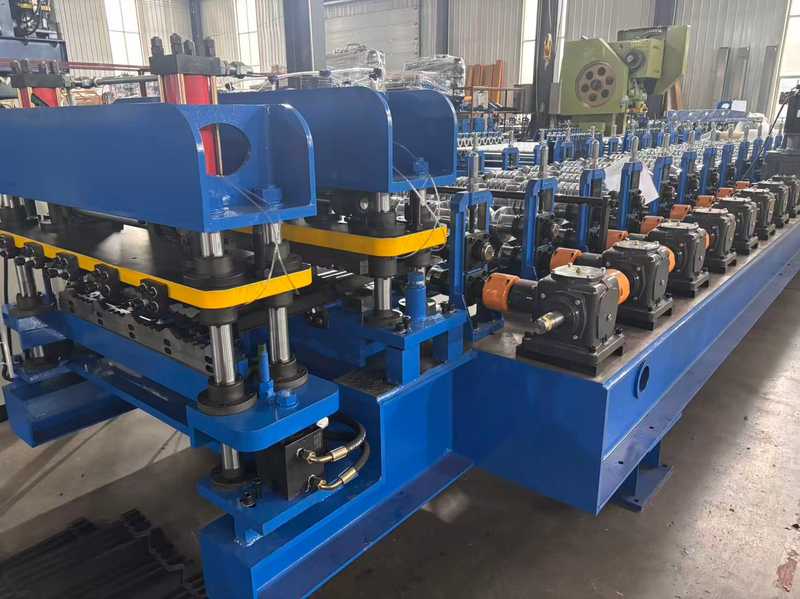
Glazed Roll Forming Machine Glazed Tiles Machine
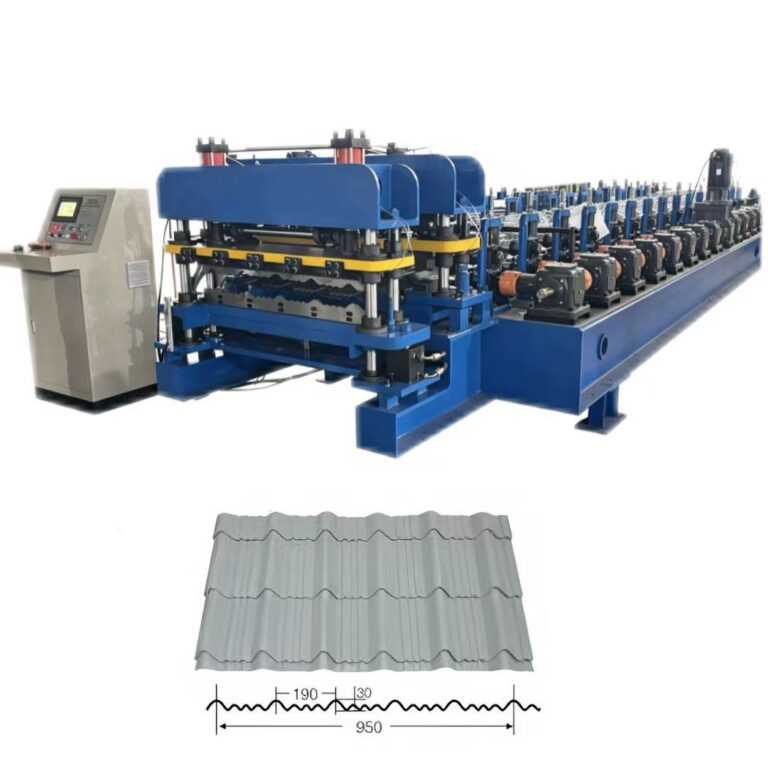
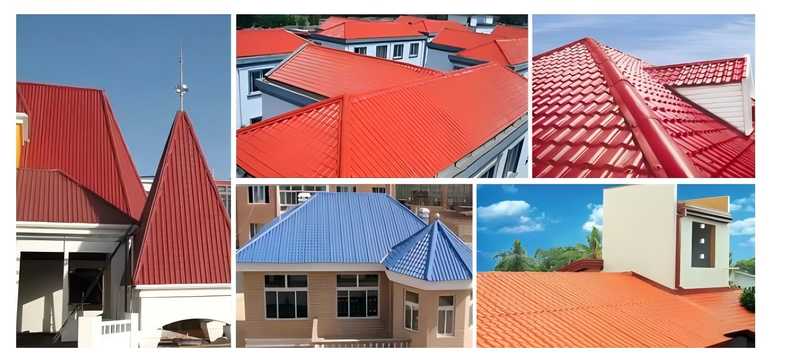
The Glazed Roll Forming Machine Glazed Tiles Machine is a cold bending equipment specifically designed for producing metal-based glazed tile-shaped panels. It continuously bends coiled materials such as painted steel plates and aluminum plates into products with the wave pattern of traditional glazed tiles through multiple passes of rollers.
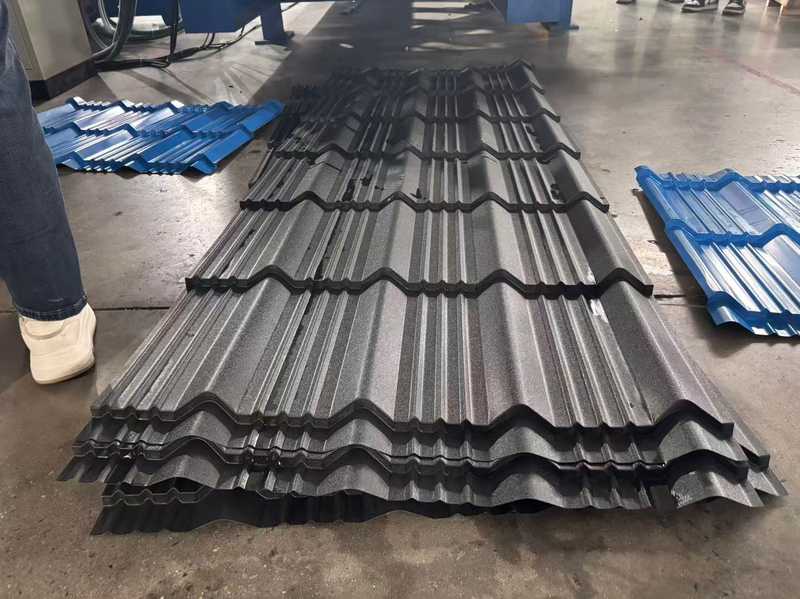
Equipment Introduction:
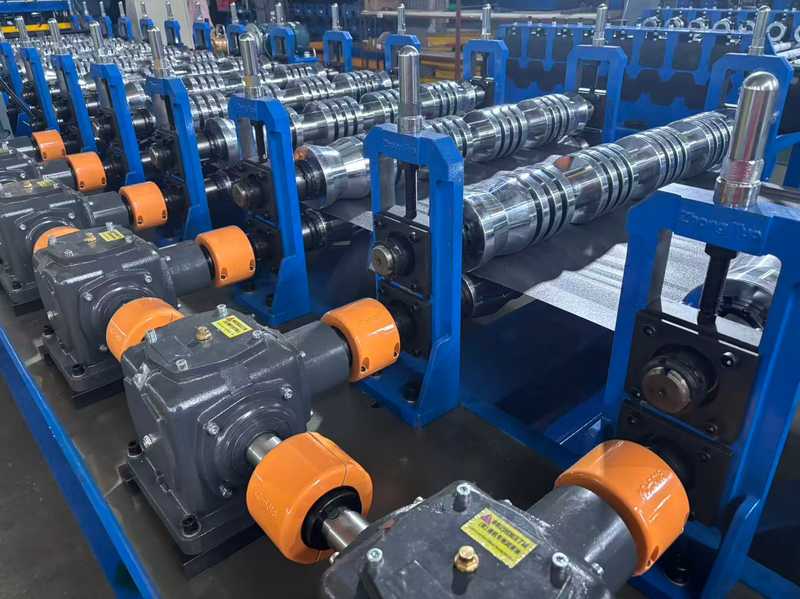
This is an automated production line that integrates automatic control, cold bending, and precise length cutting. It mainly consists of a material feeding rack, feeding guide, cold bending forming machine, hydraulic cutting, and electrical control system.It gradually bends and deforms the coiled metal sheets through multiple sets of rollers, ultimately forming a tile shape with specific wave peaks and troughs, resulting in a finished product that is both aesthetically pleasing and highly durable.
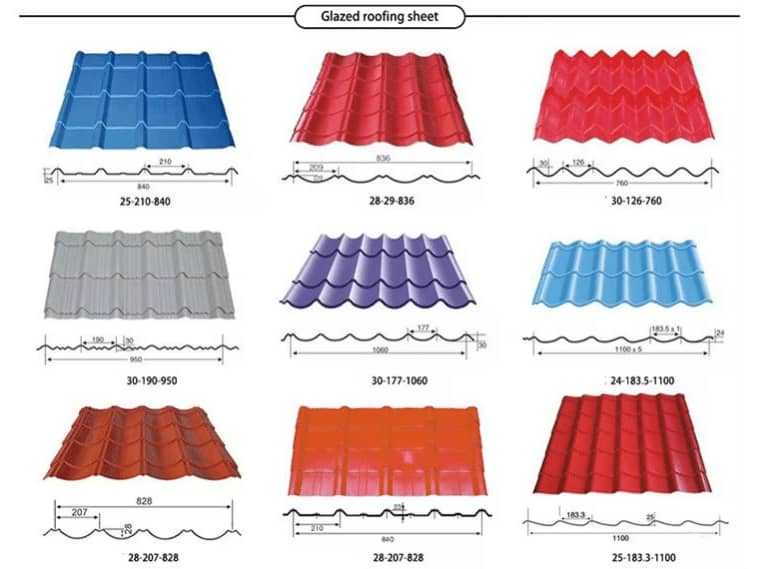
Application Scenarios:
• Ancient-style Architecture and Urban Renewal
It is extensively used in the renovation or new construction of roofs in historical and cultural districts, temples, Taoist temples, and ancient-style commercial streets, effectively preserving classical charm while meeting modern building codes for fire resistance and seismic performance.
• landscape architecture
It is widely used in park pavilions, corridors, memorial archway, waterside pavilions, wall coping, etc., especially in mountainous areas or humid and rainy areas. Metal glazed tiles have low maintenance costs because of their anti-corrosion and lichen free characteristics.
• New Rural Construction and Characteristic Towns
Suitable for villa roofs, rural auditoriums, farm stays, and more. Its vibrant appearance blends seamlessly with local characteristics, featuring simple construction and a short construction period.
• Long-span steel structure buildings
For example, the Ten Thousand Buddha Hall in large temples and the ancient-style roofs of sports venues. Due to the excessive weight of traditional tiles, lightweight metal glazed tiles must be used to reduce structural load.
• temporary or movable buildings
Such as mobile shops in scenic areas and antique-style venues at exhibitions, which are lightweight and can be quickly assembled and disassembled.
Product Attributes :
|
Raw Material
|
PPGI
|
|
Material Thickness: 0.32-0.8 Mm
|
|
|
Machine Frame
|
350# H Steel Frame Welded
|
|
Machine Structure
|
Vertical Arch Frame Structure
|
|
Material Of Rollers
|
45# Steel,Chromed Treatment (Cr Thickness:0.05 Mm), Anti-Corrosion,Increase Hardness, Ensure The Precision And Good Abrasion Performance.
|
|
Forming stations
|
16 stations
|
|
Diameter of shafts
|
Φ80mm
|
|
Material of shafts
|
45# Steel Tampering Treatment, Prevent Deformed And Improve The Hardness
|
|
Forming speed
|
About 0-8m/min
|
|
Voltage
|
380v 50hz 3phase Or As Request
|
|
Transmission
|
Gear Box Transmission(Bevel Gear Inside)
|
|
Material Of Gear: 20 Crmnti
|
|
|
Material Of Gear Box: Iron Casting
|
|
|
The connection between gear boxes are chains
|
|
|
Gear box will connect with the rolling station one for one
|
|
|
Advantage: can improve the speed directly after cutting
|
|
|
Work power
|
11 kw ( gear reducer and servo motor driving)
|
|
Cutting blade material
|
Cr12Mov quenched treatment to improve hardness
|
|
Cutting type
|
Hydraulic cutting
|
Core Features:
1.Realistic antique appearance
Can simulate the circular arch curvature of traditional clay glazed tiles, with a strong sense of three-dimensional molding. Usually paired with fluorocarbon or polyester baking paint, it has a bright color and a variety of colors to choose from, such as orange red, navy blue, emerald green, etc. It is durable and does not fade.
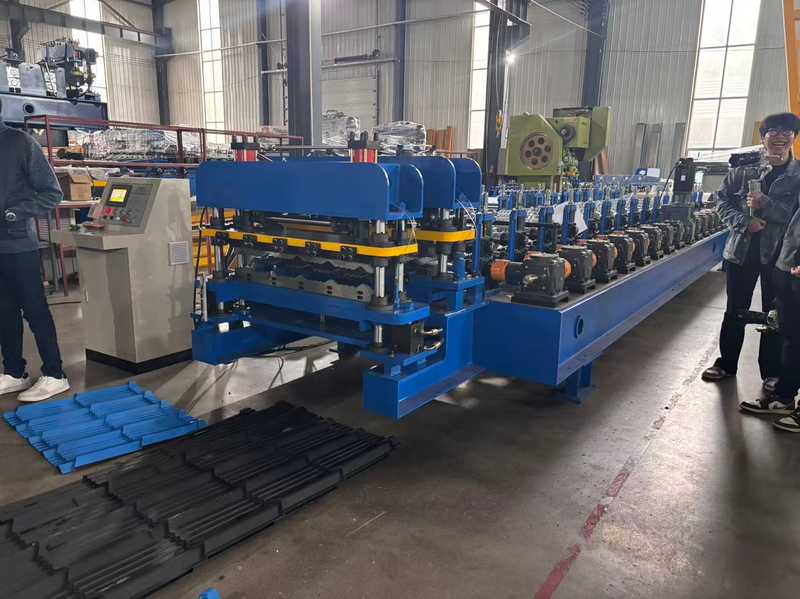
2.Lightweight and high-strength
The finished products are mostly thin steel plates or aluminum plates, weighing only a few tens of times less than traditional clay tiles, greatly reducing the load-bearing pressure of building roofs. At the same time, metal materials have high tensile strength, excellent wind resistance and seismic performance.
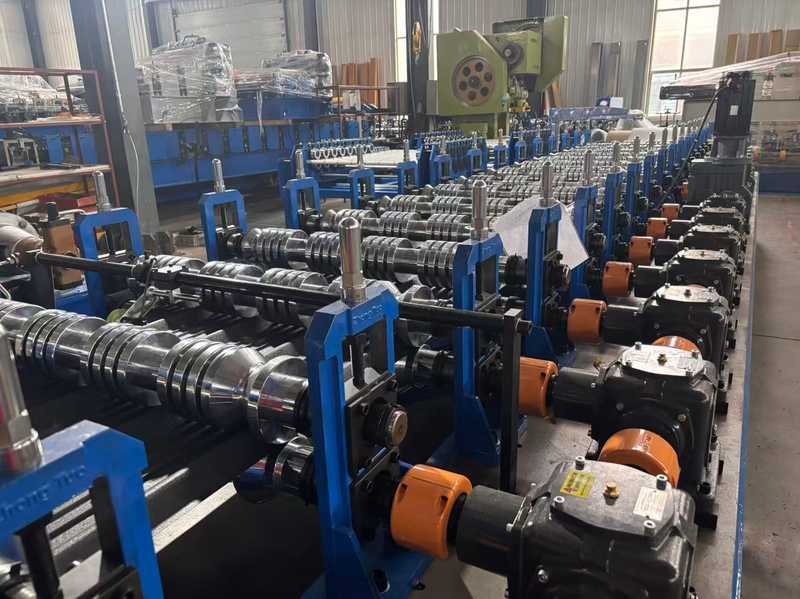
3.High production efficiency
Adopting PLC (Programmable Logic Controller) automation control, continuous production can be achieved from unwinding to forming and cutting, with a running speed of up to 10-20 meters per minute, far exceeding traditional manual or semi manual tile production.
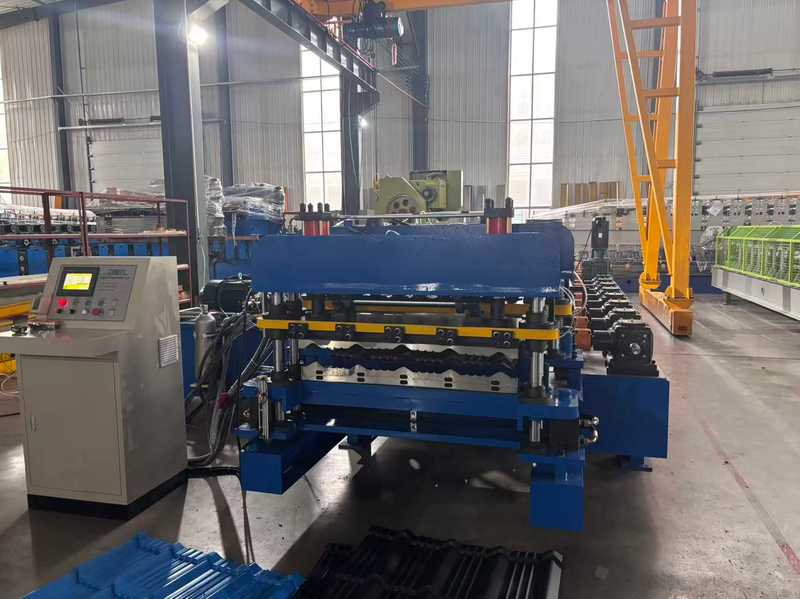
4.Energy-saving and environmental protection
The production process has no wastewater or exhaust gas, no kiln firing process, and low energy consumption. After being scrapped, the finished product can be recycled and meets the requirements of green building.
5.Good waterproof and anti-seepage performance
A single tile can produce vertical high edges, which can be connected by interlocking or hidden nails, combined with a large wave distance design, ensuring smooth drainage and effectively solving the common problem of rainwater leakage on ancient building roofs.